Source Cordless Smart Robotic Pool Vacuum for Pools, Spas, and Tanks
Find 30 listings for cordless smart robotic pool vacuum units designed for automatic cleaning. Buyers can compare features like running time, battery capacity, and control methods across various models to select the right equipment for their needs.
Key considerations
Products List


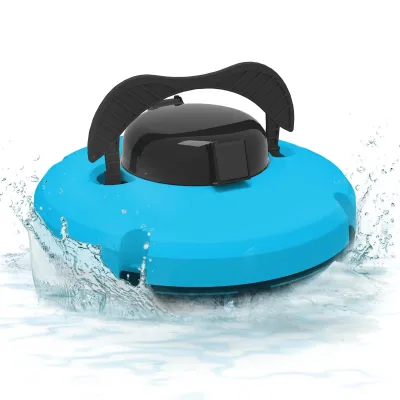


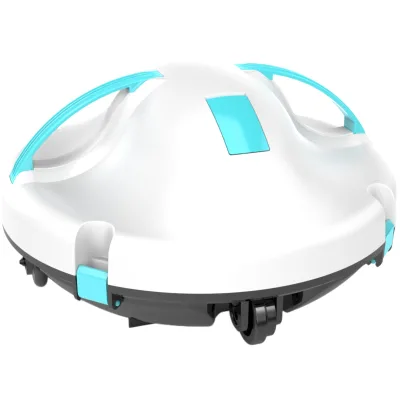


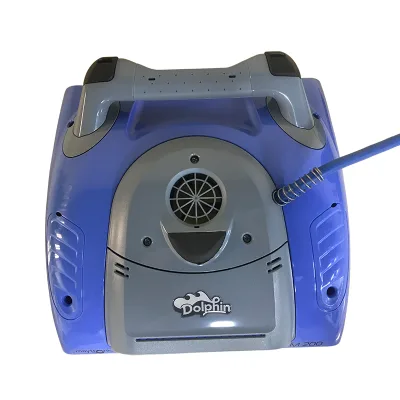


Comprehensive Sourcing Guide
Sourcing Guide for Cordless Smart Robotic Pool Vacuums
Understanding Technical Specifications and Performance Metrics
When evaluating cordless smart robotic pool vacuums for commercial or residential procurement, buyers must first establish a baseline understanding of the technical specifications that define operational efficiency. The market presents a diverse array of models, each with distinct capabilities regarding power, autonomy, and cleaning coverage. A critical observation from current product listings indicates that these units typically operate on direct current (DC) voltages, with specific models rated at 12V or 11.5V, while their charging systems accommodate a broad input range of 100-240 VAC at 50/60Hz. This voltage flexibility is essential for international procurement, ensuring compatibility with various regional power grids without the need for additional transformers.
Power consumption is another primary specification to consider. Observed data suggests that many units in this category operate with a power rating of approximately 30W, balancing energy efficiency with sufficient suction force for debris removal. The battery capacity varies significantly across different models, ranging from 5000mAh to 8000mAh, with some units specifying energy storage in watt-hours (e.g., 60Wh). This variance directly influences the running time, which is a decisive factor for pool owners with larger surface areas. The observed running times span from 1-2 hours for smaller units up to 5-6 hours for high-capacity models, with a common mid-range performance of 3-4 hours. Buyers should verify the specific runtime against their pool's square footage to ensure the robot can complete a full cleaning cycle on a single charge.
The physical dimensions and weight of the unit are equally important for logistics and storage. Standardized package sizes often appear around 36x36x19 cm or 415x335x170 mm, with unit weights hovering around 4.0 to 4.2 kg. These figures are critical for calculating shipping costs and determining if the equipment can be easily transported by a single operator. Furthermore, the debris basket capacity is a key performance indicator; observed capacities range from 4 liters, which may require frequent emptying for heavily soiled pools, to larger systems designed for extended operation. The cleaning area coverage is also a vital metric, with some models capable of handling up to 150 square meters, while others are optimized for medium-sized pools.
Advanced Features and Control Methodologies
The evolution of robotic pool cleaners has shifted significantly toward smart, automated control systems. Modern units are no longer limited to simple on-off switches but now offer sophisticated control methods including remote control and app-based connectivity. This shift allows users to program cleaning paths, schedule operations, and monitor the robot's status remotely. The "Programmable Path" feature, observed in several high-end models, ensures systematic coverage of the pool floor, reducing the likelihood of missed spots. Additionally, features such as "Anti-collision" technology and "Vacuuming" capabilities are standard, ensuring the robot can navigate around pool ladders, steps, and other obstacles without getting stuck.
Waterproofing is a non-negotiable attribute for any pool cleaning device. The industry standard for submersible electronics is often an IP rating, with IPX8 being a common specification for these robots, indicating they can withstand prolonged immersion in water. This rating ensures the internal electronics remain protected against water ingress, which is critical for the longevity of the device. The cleaning range is another differentiator; while some units are designed for "Bottom" cleaning only, others offer "All-around" cleaning capabilities, addressing walls and the waterline in addition to the floor. This comprehensive approach is particularly valuable for pools with complex geometries or those that require thorough algae and biofilm removal.
The filtration system is the heart of the cleaning process. Products typically include filters designed to capture "Regular Debris," which encompasses leaves, pollen, dust, and fine particulates. The efficiency of the filter determines the clarity of the water post-cleaning. Buyers should inquire about the filter type and replacement frequency, as clogged filters can reduce suction power and strain the motor. The material construction of the robot, often utilizing ABS plastic, contributes to its durability and resistance to pool chemicals like chlorine. The color options, ranging from white and blue to green and orange, are primarily aesthetic but can also aid in visibility within the water, helping operators locate the robot if it drifts.
Compliance, Certification, and Safety Standards
Navigating the regulatory landscape for electrical pool equipment requires a rigorous approach to compliance and certification. While specific certification marks may vary by region, buyers must verify that the product meets the safety standards of their target market. The "prod_standard" field in product data often references specific dimensions or style codes, but true compliance involves adherence to international electrical safety standards such as IEC 60335 for household appliances or specific pool equipment directives. It is imperative to request documentation proving that the charger and the robot itself have undergone rigorous testing for electrical safety, thermal protection, and waterproof integrity.
The origin of the product is a significant factor in compliance. Most observed listings indicate a place of origin in China, specifically Guangdong, a major manufacturing hub. While this region is known for high-volume production, it necessitates a stricter quality control process to ensure that the manufacturing batch adheres to the claimed specifications. Buyers should not assume that a product labeled "China" automatically meets Western safety standards; instead, they must request third-party test reports or certification certificates (such as CE, UL, or ETL) that validate the product's safety for the intended market. The "IPX8 waterproof" rating, while commonly cited, should be verified through independent testing to ensure it holds up under real-world conditions, including exposure to chlorinated water over extended periods.
Furthermore, the electrical components, including the battery and charger, must comply with local regulations regarding lithium-ion batteries and electrical inputs. The observed charger input of 100-240 VAC suggests universal compatibility, but the output voltage (e.g., 12.6V rated output) must match the robot's requirements precisely to prevent damage. Buyers should also check for any environmental compliance regarding the materials used, such as the ABS plastic, to ensure they are free from harmful substances like lead or mercury, which is increasingly a requirement for import into many jurisdictions.
Cost Drivers and Pricing Structures
The pricing of cordless smart robotic pool vacuums is influenced by a complex interplay of factors, including battery capacity, smart features, build quality, and brand positioning. The observed price range in the market is extensive, spanning from $1 to $4,350 USD. This wide disparity reflects the difference between basic, entry-level models and advanced, high-capacity units with extensive smart features. The lower end of the spectrum typically includes units with shorter runtimes, smaller debris baskets, and basic control methods, while the higher end encompasses models with extended battery life, app integration, and comprehensive cleaning coverage.
Minimum Order Quantity (MOQ) is another critical cost driver for B2B buyers. The observed MOQ range varies from 1 unit to 616 units. For small businesses or individual resellers, an MOQ of 1 allows for low-risk market testing, whereas larger orders may unlock volume discounts but require significant upfront capital and storage capacity. The packaging type, whether "Color Box" or "Carton," also impacts the final landed cost. "Carton" packaging is generally more robust for bulk shipping and reduces the risk of damage during transit, but it may be more expensive than individual retail packaging.
Additionally, the customization options available for these products can influence the price. Many suppliers offer customization services, which can include branding, color variations, or specific feature modifications. While customization adds value, it often comes with a higher unit cost and potentially longer lead times. Buyers must weigh the cost of customization against the potential for brand differentiation and market appeal. The "Single item" selling unit structure suggests that many suppliers are willing to sell single units, which is beneficial for dropshipping or small-scale procurement, but bulk buyers should negotiate pricing tiers based on volume.
Typical Applications and Operational Scenarios
The versatility of cordless smart robotic pool vacuums makes them suitable for a wide range of applications, from residential swimming pools to commercial leisure facilities. The "Medium" pool type designation suggests that many models are optimized for standard residential pools, which typically range from 15 to 50 square meters. However, the observed cleaning area of up to 150 square meters indicates that some units are capable of handling larger commercial pools, such as those found in hotels, resorts, or public swimming centers. The "All-around" cleaning capability is particularly valuable for these larger facilities, where wall and floor cleaning are both essential for maintaining hygiene standards.
The "Automatic" type of operation is a key feature for applications where labor costs are a concern. These robots can be programmed to run on a schedule, allowing them to clean the pool while the facility is closed or when staff are occupied with other tasks. The "Energy-saving" attribute is also relevant for commercial buyers looking to reduce operational costs, as lower power consumption translates to reduced electricity bills over time. The "Vacuuming" and "Scrubbing" functions ensure that not only loose debris is removed but also that the pool surfaces are scrubbed clean, reducing the need for manual brushing and chemical treatments.
For residential users, the "Remote Control" and "App Control" features offer convenience and peace of mind. Users can start the robot from their smartphone, monitor its progress, and receive notifications when the cleaning cycle is complete. This level of control is ideal for busy homeowners who want to maintain a pristine pool without dedicating significant time to manual cleaning. The "Anti-collision" feature ensures that the robot can navigate complex pool environments, such as those with steps or ladders, without getting stuck, which is a common frustration in manual cleaning.
Supplier Evaluation and Quality Control Protocols
Selecting the right supplier for cordless smart robotic pool vacuums requires a thorough evaluation of their capabilities, reputation, and quality control processes. Buyers should prioritize suppliers who provide detailed product specifications, including battery capacity, running time, and cleaning area coverage. The "prod_model" identifiers, such as GESD04, GF016, GR9, and HJ4042, serve as unique references for specific product lines, and buyers should ensure they are ordering from the correct model to meet their specific needs.
Quality control is paramount in this industry, given the harsh environment of pool water. Buyers should request samples for testing before placing large orders. These samples should be subjected to rigorous testing, including immersion tests to verify the IPX8 rating, runtime tests to confirm battery performance, and debris collection tests to evaluate filtration efficiency. The "Single gross weight" and "Single package size" data provided by suppliers should be cross-referenced with actual samples to ensure consistency in manufacturing.
Supplier transparency is also a key evaluation criterion. Buyers should look for suppliers who are open about their "Place of Origin" and manufacturing processes. While Guangdong, China, is a known hub for these products, buyers should verify that the specific factory they are dealing with has a track record of producing high-quality goods. Requesting references from other clients or reviewing case studies can provide insight into the supplier's reliability. Additionally, buyers should assess the supplier's ability to provide after-sales support, including warranty terms and availability of replacement parts, which is crucial for long-term procurement.
Long-Term Procurement and Maintenance Considerations
Long-term procurement of cordless smart robotic pool vacuums involves more than just the initial purchase; it requires a strategic approach to maintenance, spare parts availability, and lifecycle management. The "Running Time" and "Charging Time" specifications are critical for planning operational schedules. For instance, a robot with a 2-hour runtime and a 3-4 hour charging time may require multiple cycles or a battery swap for large pools, impacting operational efficiency. Buyers should consider the availability of replacement batteries, as lithium-ion batteries have a finite lifespan and will eventually need to be replaced.
The "Filter" system is another component that requires regular maintenance. Buyers should inquire about the availability of replacement filters and the cost associated with them. A filter that is difficult to source or expensive to replace can significantly increase the total cost of ownership. The "Debris Basket Capacity" also plays a role in maintenance frequency; larger baskets reduce the need for frequent emptying, which is beneficial for commercial applications where downtime must be minimized.
Finally, the "Customization" options available from suppliers can be leveraged for long-term branding and product differentiation. However, buyers should ensure that any customizations do not compromise the core functionality or safety of the product. The "Product Name" and "Brand Name" (e.g., HUAXI) should be evaluated for their market recognition and potential to add value to the buyer's portfolio. By focusing on these long-term considerations, buyers can ensure a sustainable and profitable procurement strategy for cordless smart robotic pool vacuums.
Comparative Analysis of Key Product Attributes
To facilitate informed decision-making, the following table summarizes the key attributes observed across the product range, highlighting the variability in specifications that buyers should consider.
| Attribute | Observed Range / Options | Relevance to Procurement |
|---|---|---|
| Rated Voltage | DC 12V, 11.5V | Determines compatibility with power sources and charger requirements. |
| Battery Capacity | 5000mAh to 8000mAh | Directly impacts running time and suitability for pool size. |
| Running Time | 1-2 Hours to 5-6 Hours | Critical for determining if a single charge covers the cleaning area. |
| Cleaning Range | Bottom, All-around | "All-around" is preferred for comprehensive cleaning of walls and floors. |
| Control Method | Remote Control, App Control | App control offers greater convenience and programmability. |
| Debris Basket | 4L | Larger capacity reduces maintenance frequency during cleaning cycles. |
| IP Rating | IPX8 | Essential for waterproofing and long-term durability in pool environments. |
| Material | ABS | Ensures resistance to chemicals and physical impact. |
| Weight | 4.0kg to 4.2kg | Affects portability and ease of handling by operators. |
| Power | 30W | Balances energy efficiency with cleaning performance. |
This comparative overview underscores the importance of matching specific product attributes to the unique requirements of the buyer's pool environment and operational constraints. By carefully analyzing these factors, buyers can select the most appropriate cordless smart robotic pool vacuum for their needs.
FAQs
What voltage do these robots operate on?
Most units operate on DC 12V or 11.5V rated voltage. This direct current requirement ensures compatibility with standard pool power systems while maintaining safe operation for underwater electronics during cleaning cycles.
How long can the robot run on a single charge?
Running times vary from 1 to 6 hours depending on the specific model and battery capacity. Smaller units may last 1-2 hours, while high-capacity models with 8000mAh batteries can operate for up to 6 hours continuously.
Can I control the robot using a mobile app?
Yes, many models support app control alongside remote control methods. This allows users to program cleaning paths, schedule operations, and monitor status remotely without needing to be physically present near the pool.
What is the maximum cleaning area these units cover?
Some models are designed to clean up to 150 square meters of pool surface area. This capacity makes them suitable for medium to large residential pools or smaller commercial facilities requiring efficient automated cleaning.
Is the device waterproof enough for full submersion?
Yes, the units typically feature an IPX8 waterproof rating for prolonged submersion. This ensures internal electronics remain protected against water ingress and chlorinated water exposure during extended underwater cleaning operations.
Can I customize the product for my brand?
Customization is available for these robotic pool vacuums. Buyers can often request specific branding, color variations, or feature modifications to align the product with their unique market requirements and brand identity.
What is the typical debris basket capacity?
The debris basket capacity is commonly around 4 liters for standard models. This volume allows the robot to collect leaves, pollen, and dust before requiring emptying, balancing efficiency with frequent maintenance needs.